What Are Piles?
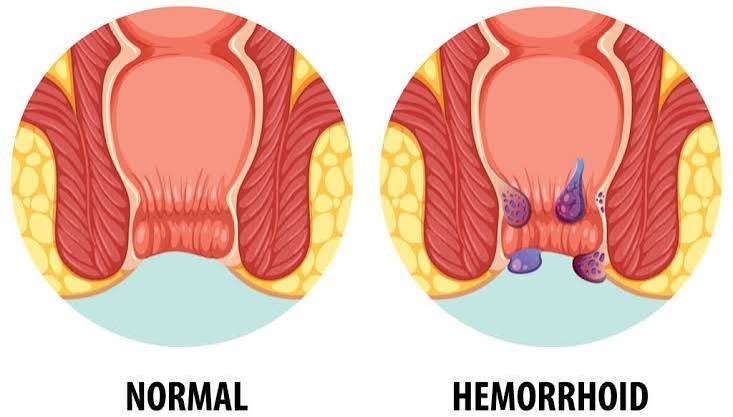
Piles, also known as haemorrhoids, are swollen vascular cushions in and around the anus and lower rectum. They are a common condition that can cause bleeding during bowel movements, itching, discomfort and swelling near the anus.
Many people feel embarrassed discussing piles and may delay seeking medical advice. However, understanding the symptoms, causes and available treatment options can help you make informed decisions about your health.
If you are experiencing symptoms of piles, a qualified medical professional can assess the cause and recommend an appropriate treatment plan.
What Are Piles?
Piles are enlarged or symptomatic vascular cushions around the anal canal. They are commonly classified into two main types:
1. Internal piles: These develop inside the rectum. They often cause painless, bright-red bleeding during bowel movements. In some cases, the tissue may protrude through the anus.
2. External piles: These develop under the skin around the anus. They may cause swelling, irritation, tenderness or pain. A blood clot within an external pile can cause a sudden, painful lump.
The symptoms and severity vary from person to person, so a medical examination may be necessary to confirm the diagnosis.
What Are the Common Symptoms of Piles?
The common symptoms of piles include:
- Bright-red blood on toilet paper or in the toilet after passing stool
- Itching or irritation around the anus
- A lump or swelling near the anal opening
- Discomfort or pain, especially with external piles or complications
- Mucus discharge or difficulty keeping the area clean
- Tissue protruding from the anus during bowel movements
Important: Rectal bleeding should not automatically be assumed to be caused by piles. Anal fissures, inflammation, bowel conditions and, in some cases, colorectal cancer can also cause bleeding. Seek medical advice, particularly if bleeding persists or recurs.
What Causes Piles?
Piles can develop or become symptomatic when pressure and strain affect the anal cushions. Common contributing factors include:
- Constipation and hard stools
- Straining while passing stool
- Sitting on the toilet for prolonged periods
- A diet low in fibre
- Pregnancy and childbirth
- Age-related changes in supporting tissues
- Repeated diarrhoea or altered bowel habits
Not everyone with these risk factors develops piles. Several factors may contribute at the same time.
What Are the Four Grades of Internal Piles?
Doctors may classify prolapsing internal piles into four grades according to how far the tissue protrudes and whether it returns inside.
Grade 1: The piles remain inside the anal canal and do not protrude outside. Bleeding may occur.
Grade 2: The piles protrude during bowel movements but return inside on their own.
Grade 3: The piles protrude and may need to be pushed back inside manually.
Grade 4: The piles remain outside and cannot be pushed back inside easily.
These grades describe internal piles, not every type of haemorrhoid. A higher grade does not automatically mean that one specific operation is required. Treatment depends on symptoms, examination findings and individual circumstances.
How Are Piles Diagnosed?
A clinician may ask about bleeding, pain, bowel habits, medications and medical history. Depending on the symptoms, assessment may include:
- Examination of the area around the anus
- A digital rectal examination, when appropriate
- An anoscopy or another examination of the anal canal
- Further tests or bowel evaluation when indicated, particularly for unexplained or persistent bleeding
The purpose is to confirm the cause of symptoms and rule out other conditions that may require different treatment.
What Is the Best Treatment for Piles?
There is no single treatment that is best for every patient. The right approach depends on the severity of symptoms, the type and grade of piles, medical history and response to earlier treatment.
1. Dietary and lifestyle changes
For many people, initial treatment includes:
- Eating more fibre-rich foods, such as vegetables, fruit, whole grains and pulses
- Drinking adequate fluids, unless a doctor has advised fluid restriction
- Avoiding excessive straining during bowel movements
- Not sitting on the toilet longer than necessary
- Staying physically active as tolerated
- Addressing constipation with appropriate professional advice
These measures can help soften stools and reduce straining, although they may not eliminate larger or persistent piles.
2. Medicines for symptom relief
Depending on the symptoms, a clinician may recommend treatments to ease pain, itching or constipation. Some topical products may provide short-term relief, but they do not necessarily treat the underlying cause. Certain ingredients, particularly steroid-containing creams, should not be used for prolonged periods without medical advice.
3. Non-surgical procedures
Some internal piles can be treated with office-based procedures, such as rubber band ligation, injection sclerotherapy or infrared coagulation. Suitability depends on the type and severity of the piles and the clinician’s assessment.
4. Piles surgery
Surgery may be considered when symptoms are severe, piles are significantly prolapsing, complications occur or other treatments have not worked.
Options may include excisional haemorrhoidectomy and other procedures selected for the patient’s condition. Each option has potential benefits, risks and recovery considerations.
5. Laser-assisted piles procedures
Laser-assisted procedures may be suitable for selected patients, depending on the specific technique and clinical findings. The term “laser treatment” can refer to different procedures, and it should not be assumed to be better than conventional surgery for every patient.
Before choosing a procedure, ask the treating surgeon about the expected benefits, recurrence risk, complications, recovery time and alternatives.
Can Piles Be Treated Without Surgery?
Yes. Many patients improve with fibre, adequate fluids, better bowel habits and treatment for constipation. Some patients with internal piles may also benefit from non-surgical procedures.
However, persistent bleeding, significant prolapse, severe pain or recurrent symptoms need medical assessment. Home remedies and medicines cannot reliably treat every case.
How Can You Help Prevent Piles From Worsening?
You can reduce straining and support healthy bowel habits by:
- Including fibre-rich foods in your daily diet
- Drinking enough water, subject to your medical needs
- Responding to the urge to pass stool rather than delaying it
- Avoiding prolonged sitting on the toilet
- Keeping physically active
- Seeking advice for ongoing constipation or diarrhoea
These steps can reduce common contributing factors, but they cannot guarantee that piles will never develop or recur.
When Should You See a Doctor for Piles?
Arrange a medical consultation if you experience recurring rectal bleeding, persistent pain, a lump near the anus, prolapse or symptoms that do not improve with basic measures.
Seek urgent medical attention for heavy or continuous bleeding, severe or rapidly worsening pain, fever with anal swelling, pus or feeling faint.
Do not delay an assessment simply because you suspect piles. Correct diagnosis is important because several other conditions can produce similar symptoms.
Frequently Asked Questions About Piles
1. What are the first signs of piles?
Early symptoms may include bright-red bleeding during bowel movements, itching, irritation or a lump near the anus. Some people have no symptoms initially.
2. Are piles dangerous?
Piles are common and often manageable, but bleeding should be assessed rather than automatically attributed to piles. Heavy bleeding, severe pain or signs of infection need prompt medical attention.
3. Can piles go away on their own?
Mild symptoms may improve with dietary changes, adequate fluids and reduced straining. Larger or persistent piles may need medical treatment or a procedure.
4. Can piles be cured without surgery?
Many cases can be managed without surgery. Some patients benefit from lifestyle changes, medicines for symptom relief or office-based procedures. The best approach depends on the diagnosis and severity.
5. Is laser treatment the best option for piles?
Not for everyone. Treatment choice depends on the type and grade of piles, symptoms, available techniques and the patient’s health. Discuss the benefits and limitations of each option with a qualified surgeon.
6. Which foods are helpful for piles?
Fibre-rich foods such as vegetables, fruits, oats, whole grains, beans and lentils can help soften stools and reduce straining. Increase fibre gradually and drink adequate fluids if medically appropriate.
7. Can piles cause bleeding without pain?
Yes. Internal piles can cause painless, bright-red bleeding. However, other conditions can also cause rectal bleeding, so a clinician should assess persistent or recurrent symptoms.
8. Do piles come back after treatment?
Symptoms can recur after treatment. Maintaining healthy bowel habits may reduce straining, but recurrence depends on the condition and the treatment used.
9. Which doctor should I consult for piles?
A qualified general surgeon or colorectal surgeon can assess piles, confirm the diagnosis and discuss appropriate treatment options.
10. When should rectal bleeding be treated as urgent?
Heavy or continuous bleeding, faintness, severe pain or fever with anal swelling requires urgent medical attention. Even small amounts of recurrent bleeding should be evaluated.
Piles Consultation in Thane
If you are experiencing symptoms that may be related to piles, seek an assessment from a qualified medical professional to understand the cause and discuss suitable treatment options.
Location: Aayush Multispecialty Hospital, 1st Floor, Marigold Apt, Almeda Road, opposite Nitin Co. and Honda showroom, Panch Pakhdi, Thane West, Maharashtra 400602.
Contact the clinic to confirm appointment availability and consultation details.